Operation Magnetize Chimpo

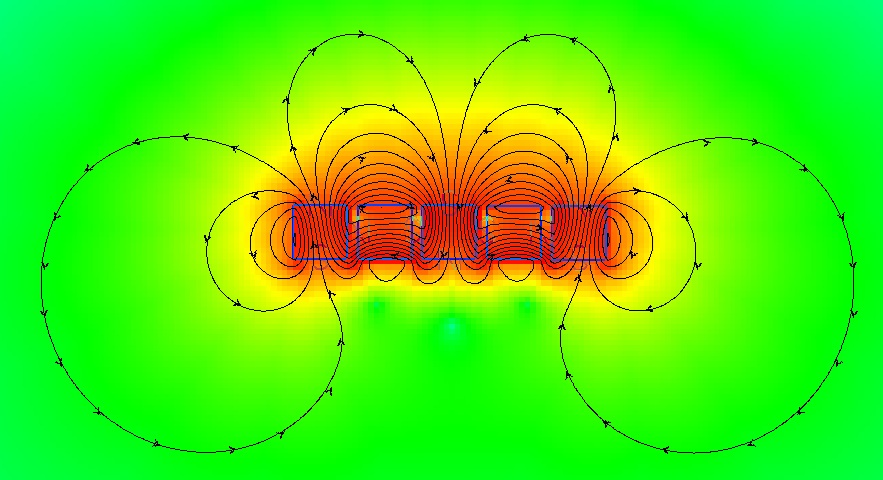
Im also curious to which orientation is best for the end magnets. When I was playing I copied the diagram.

Left .down .right .up .left

With horizontal polarity end magnets. And it didnt seem to work right. When I arranged the end magnets to both be facing north .

Up . Left . Down . right. up.

I seem to get a more satisfactory stick of advantageousness… this could be antidote. I’m sure future chimpo can check it out. And post bellow

3 Likes

Can’t sleep so asked chatgpt. And the results are counter intuitive… so ill defo have to test the concept

Gpt says :

Horizontal ends: poles face along the row (e.g., → ↑ ← ↓ →)

Vertical ends: poles face up/down relative to the row (e.g., ↑ → ↓ ← ↑)

If you have a small number of magnets (like 5), it’s generally better for the end magnets to be horizontal, i.e., pointing along the array axis.

That’s because:

  • Horizontal end magnets help the magnetic “rotation” pattern remain symmetric and directional — maximizing field concentration on the target side.

  • Vertical end magnets leave an open flux path at the array ends, which reduces field uniformity and weakens the focused side.

In short:

  • Horizontal ends: better lateral flux closure, stronger unidirectional field.

  • Vertical ends: flux leaks more upward/downward, weaker net field.


:chart_increasing: Practical tests show:

Simulations and experimental arrays (even from Halbach’s original work) show roughly 10–20% stronger field on the active side when the first and last magnet magnetizations are tangential (horizontal to the array axis).

If you had many more magnets (say 9–12), the choice would matter less — but with 5, it’s significant.


:white_check_mark: Conclusion:
For a 5-magnet 2D Halbach array, it’s more advantageous to have the end magnets oriented horizontally (magnetization pointing along the array’s length).

That will:

  • Strengthen the one-sided field

  • Reduce flux leakage at the ends

  • Give a more uniform “strong side” field region

(↑ → ↓ ← ↑)

( → ↑ ← ↓ →)

1 Like

4 Likes

Results are in!!

( → ↑ ← ↓ →) wins

I reapeated it a few times… horizontal polarity ends have the most advantageousness

Thanks for playing

5 Likes

Spoke to tac0s will get an array made and sent to them for an official weigh in.

3 Likes

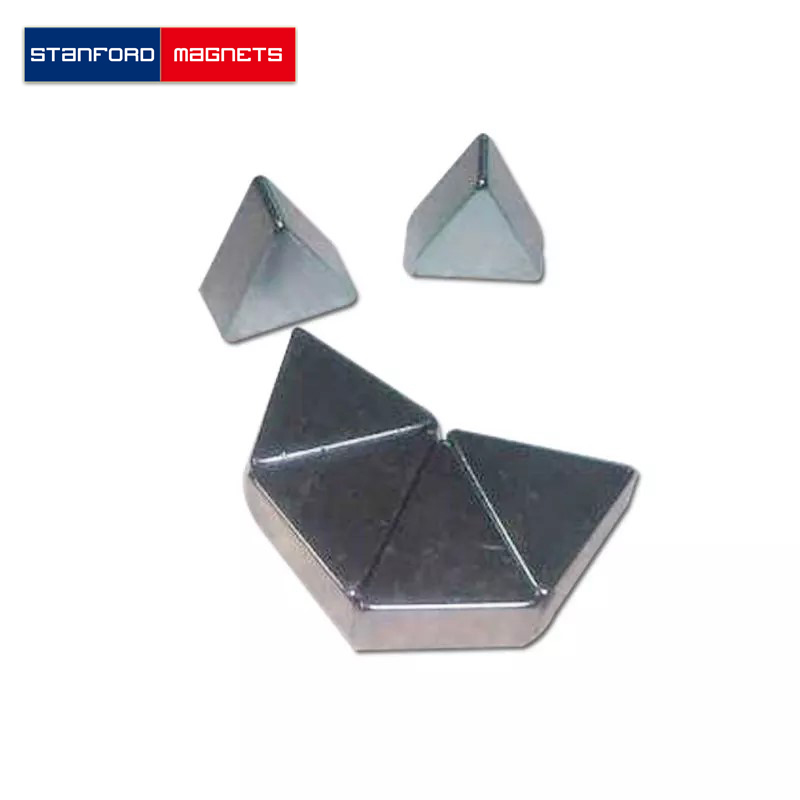
Subquest. I’ve just discovered triangle magnets… assuming I can find suitible polarity alignments… could we loop a 2d hallbach array into a circle to make super lifty ‘puck’ with all the advantageousness on the one side. Not to be confused with the 3d array that has all the adventageousness in the center…

4 Likes

Yeh.. i found it difficult find exact shape and size magnets needed for such an array.

I wish I had some sort of machine to precisely grind the magnets into the correct shape in respect to its northpole .. oh wait….

I have that machine left over that I used to make those diamonds. Surely that will shave away Neodymium cubes coldly slowly with precision.

Yes… I have already considered building a pulse magnitiser to alter polarity directions… hopefully I dont have to…

Let’s have a discussion before I start chopping magnets

2 Likes

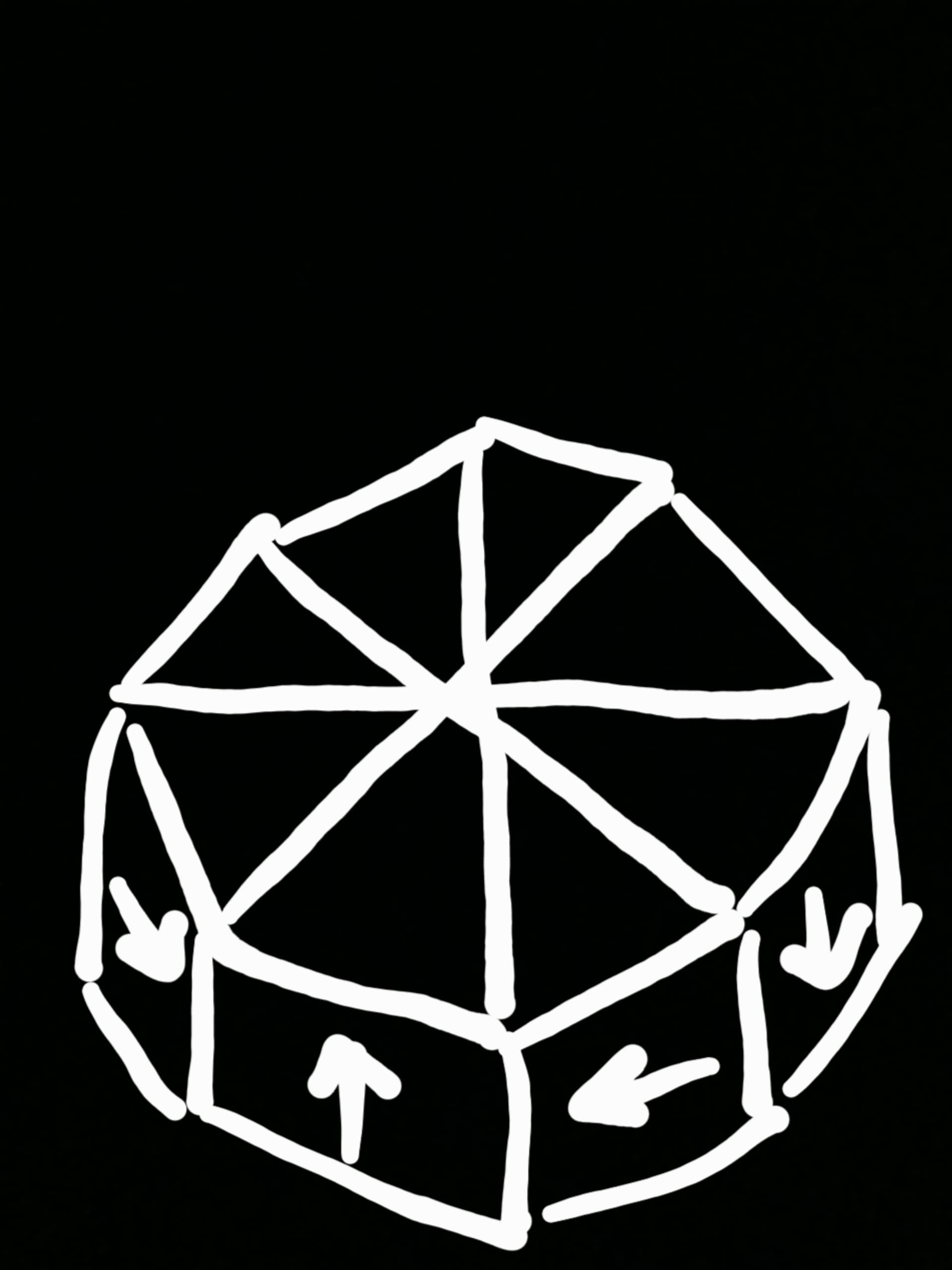
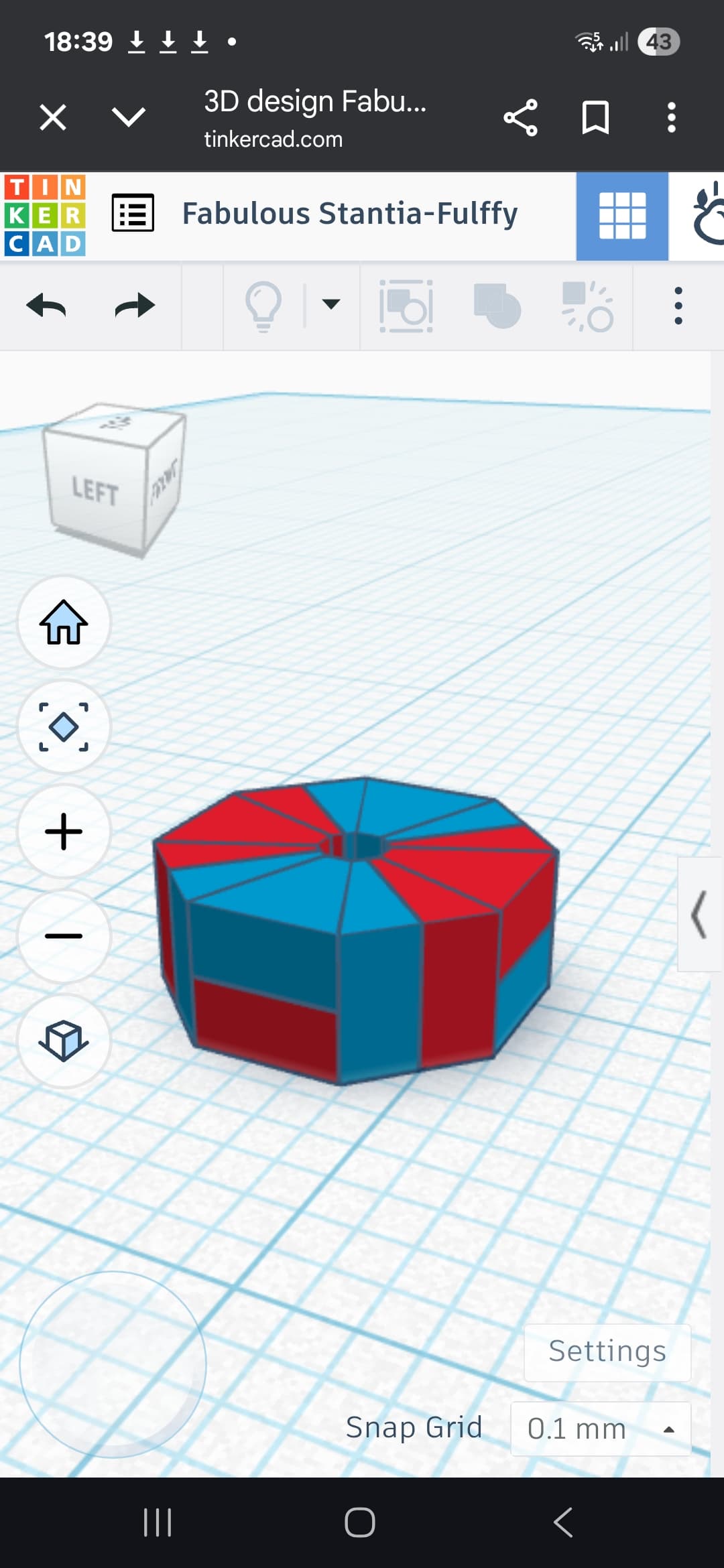
So after a little chat with gpt. We have decided on a 6mm x 3mm octagon made from 8 triangle magnets cut from the 3mm cubes. The aray will be a twice looping hallbach aray at 90* intervals.

Gpt insists the polarity axis should 45 creating a single hallbach loop. But i dont have the means of cutting the 45* polarity axis from the cubes without making the whole aray smaller. And that’s a ballacke. So 90s will do.

Or add more wedges. And im not shaving down the wedges any smaller lol.

I may make a 5mm x 10mm version. Just coz its will be easier to see. To test the concept

1 Like

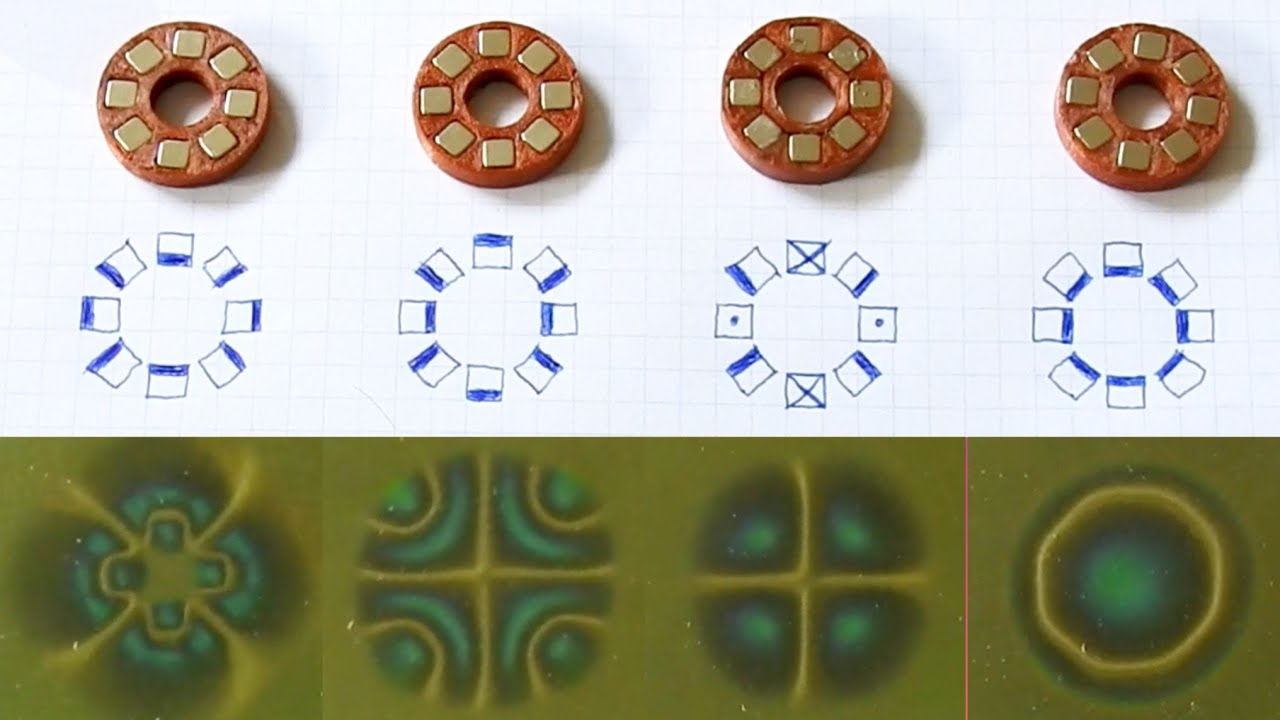
this is simular. But with squares not triangles..

4 Likes

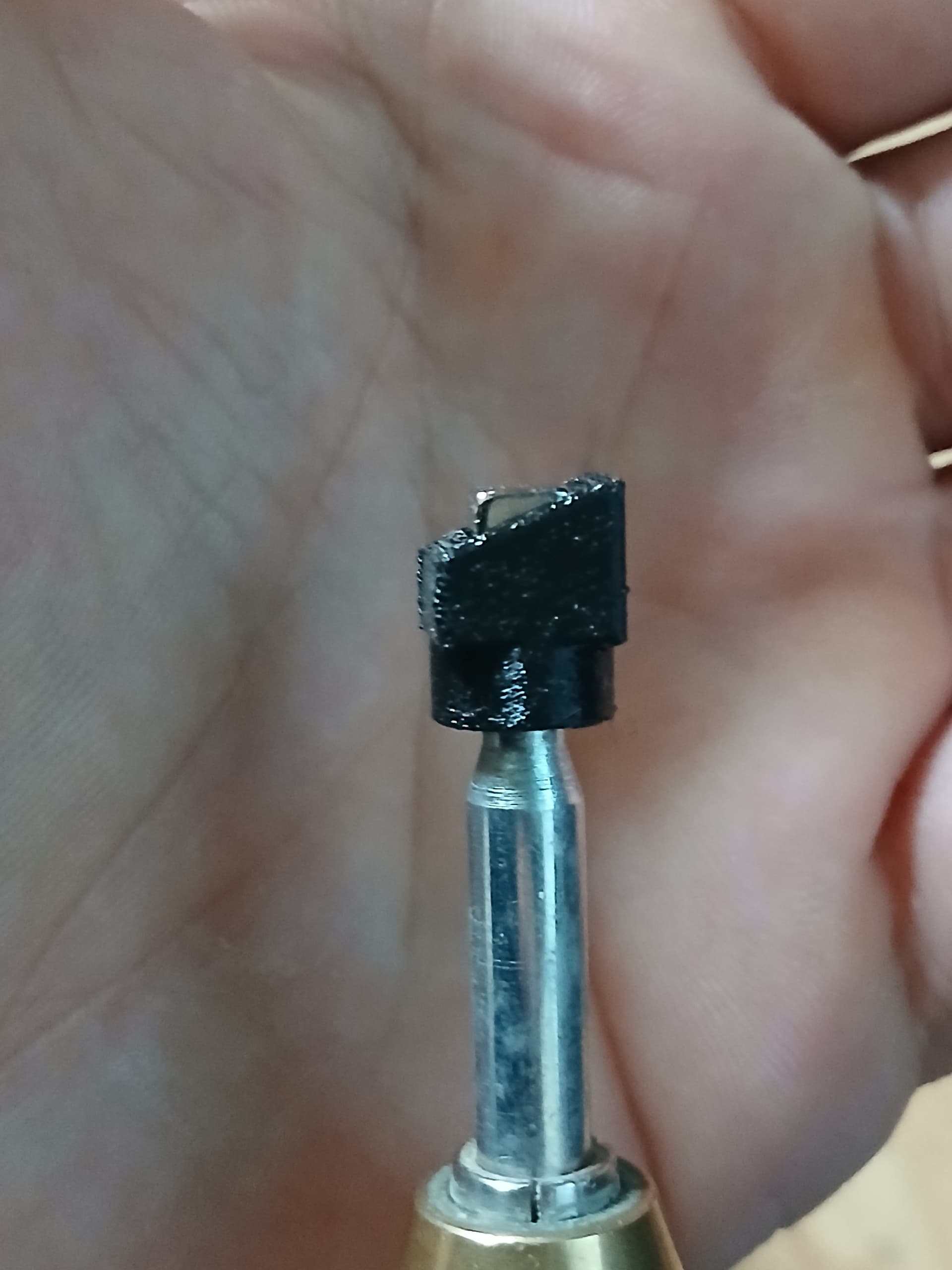
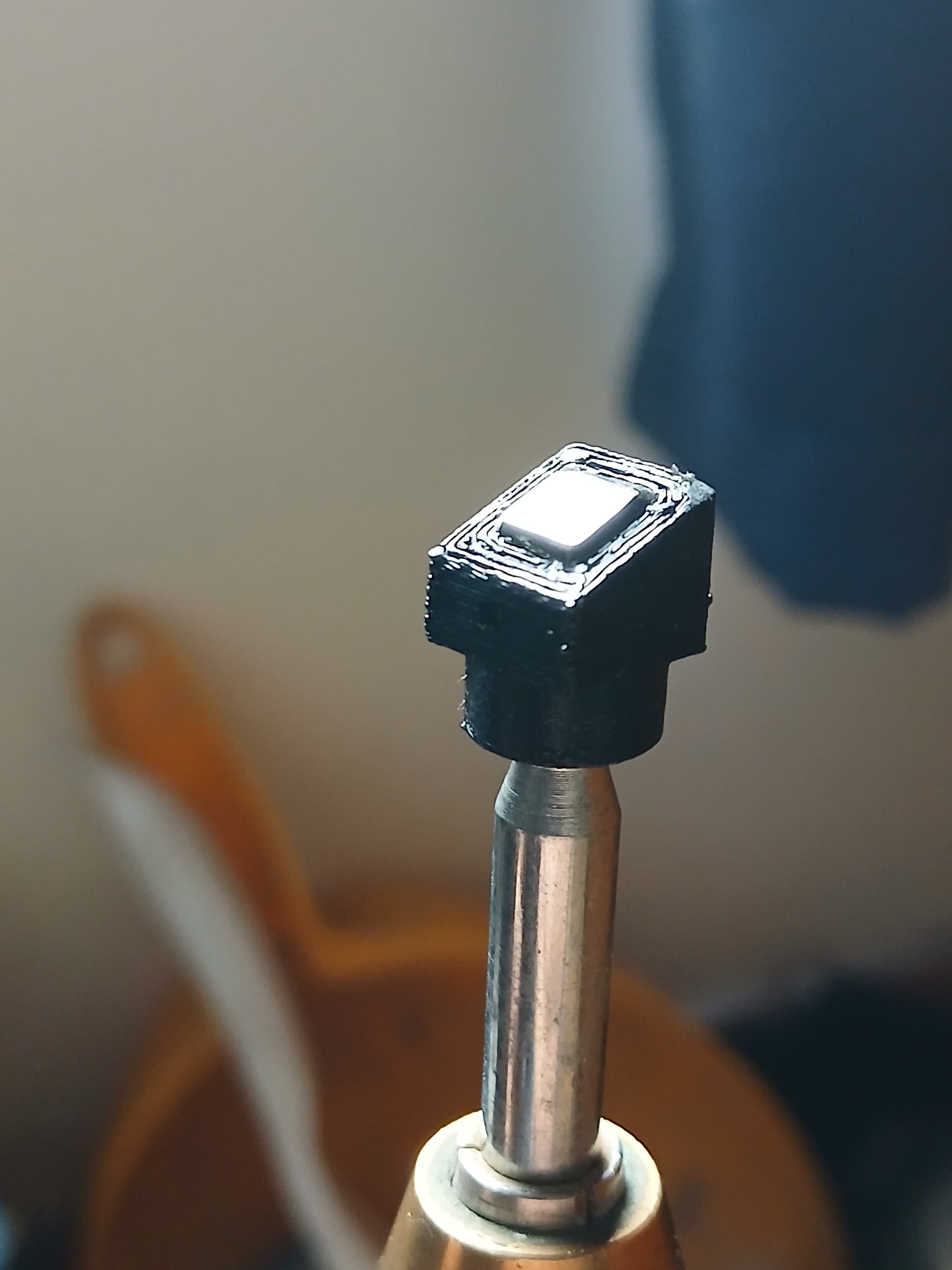
Im now Back in the workshop (my bedroom). I’ve dug out the faceting machine and im currently printing a jig to hold the cube.

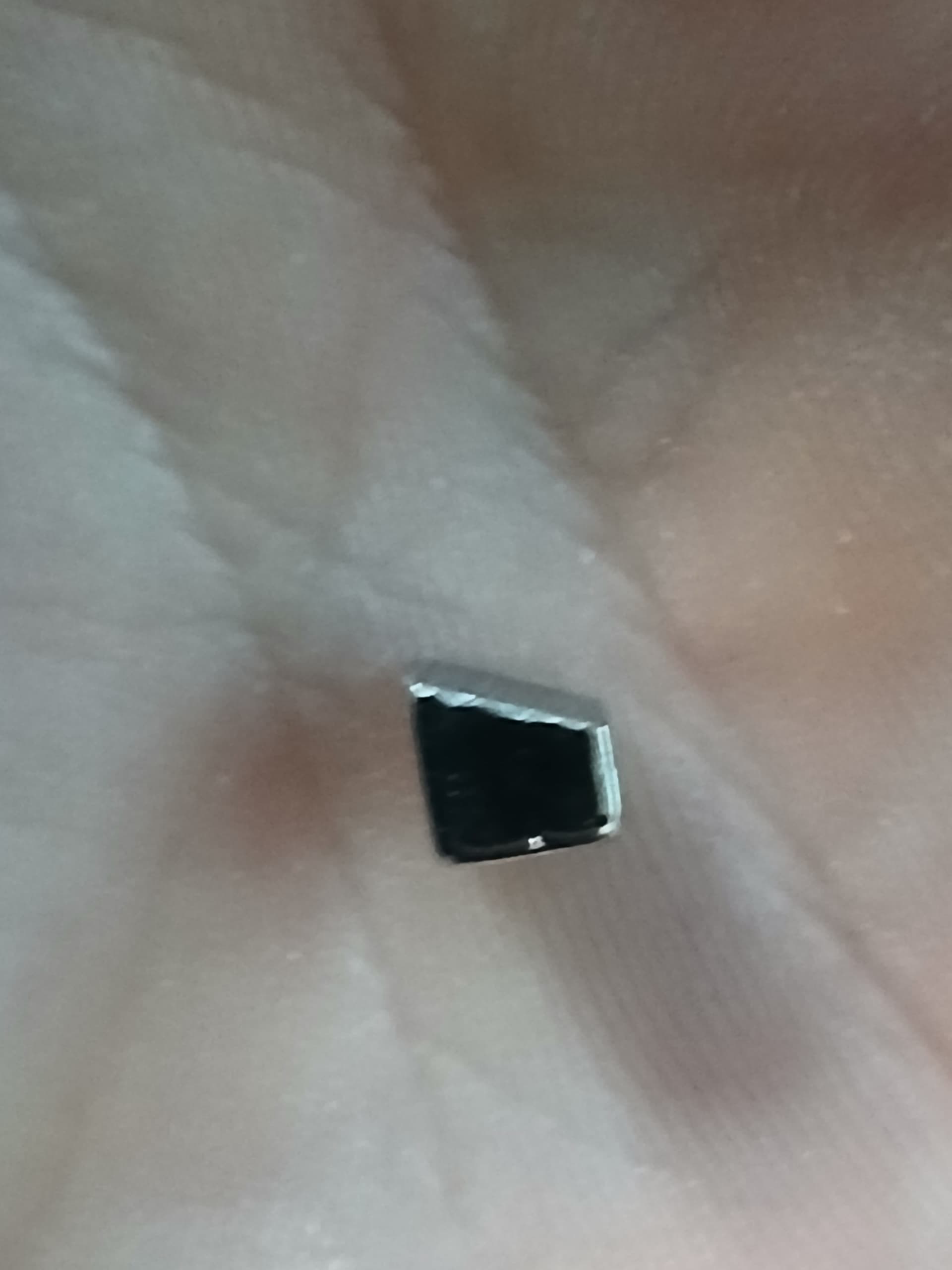
This is how the cubes will be shaped.

wish me luck.

2 Likes

So the first one is slow and painstaking… as i have to set the machine as I go. But after that I can leave it cut em un attended… its going well.

Little more to go..

i plan to cut one side from each magnet. Using this jig. Then ill use a 2nd jig to cut the other sides

1 Like

Wow this is taking ages. I’m gona design a holder so I can do the 8 at once…

2 Likes

This is interesting..

1 Like

Facinating. So what you thinking?. Titan v3 with graphite disc included.? Or something bigger. How easy it to source the magic graphite . the general rule of scale may be an issue. But reasonable simple to prototype..

1 Like

4 Likes

YouTube is convinced I’m a bot, but I’ll put the name of the paper here in case we want to look up more info on it:

A magnetically levitated conducting rotor with ultra-low rotational damping circumventing eddy loss, Journal: Communications Physics, : 2025, ISSN: 2399-3650

1 Like

Magnetic shock absorbers

2 Likes

More like magnetic springs… Adding shorted coils or coils with resistors to dissipate the energy and prevent oscillations would be required to make those into actual shock absorbers.

1 Like

Interesting. What’s the technical difference?

Also interesting.. do you think the magnets heat up from opposing each other or no? Reminds me of the slap cooking a chicken video…

1 Like

I don’t think so.

Edit: There are some currents that do create heat and dipoles do move when the magnetic field changes around the magnet. So there’s some heat being generated on every bump.

Well, the field of magnets shouldn’t change from every bump or if the magnets do loose some strength, I expect it to be minimal. You need something that resists change and dissipates energy doing so, like the oil in a shock. And well, a shorted coil will resist change because the induced current will create a magnetic field opposite to the change that created that current. Additionally, the resistance of the wire will dissipate some of the energy as heat.

Without that resistance, you’d only get the resistance to change. So basically, the way superconductors interact with magnets.

With resistance to reduce and dissipate the energy of the induced current, you get this:

Shorted coils can also do calculus, and are used to modify the phase of magnetic fields on contactors, relays, solenoids, and motors.

The motors are particularly interesting in my opinion as they are creating a second phase with a piece of wire. A more common approach to generate this second phase is the use of a run capacitor, in series with a secondary winding. Of course, in these applications you want to limit the amount of dissipated energy. But on a bicycle suspension you want to turn the bumps of the road into heat.

Now that I think about it, the aluminum? rings around the magnets are probably doing some eddy current work. I have yet to watch the video so please don’t judge me too hard.

I also came across this cool but unrelated effect: Magnetocaloric effect - Wikipedia

2 Likes