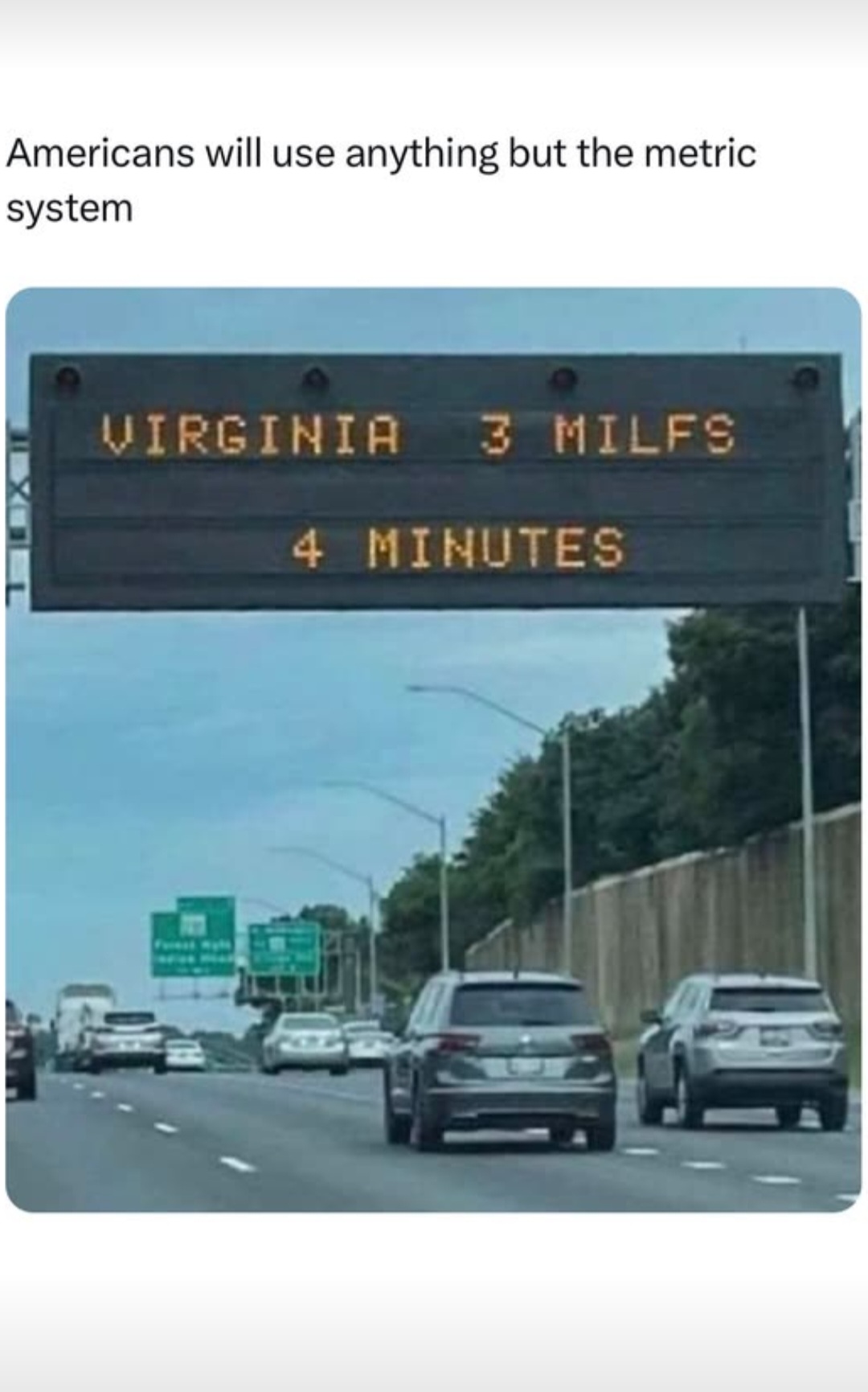
Mood, but I’m asking for more metal.
These are my goals:
Briareos, Appleseed… I love this manga 
Looks more like an offer or challenge rather than measurement
Is that 3 Milfs for 4 minutes each or combined…asking for a friend
Asking for myself, I need to know
Massive storms rolled thru today, currently sitting in the dark
Being nocturnal is less fun without electricity :-/
Cyborgs and power outages don’t mix very well.
I hope that they fix the problem soon!
massive storms, flooding… wildfires… woke up this morning with the worst wildfire smoke… headache… eyes burning… lungs irritated… nobody is happy.
we’re living in a climate change catastrophe 
That’s part of the reason there are UPSs scattered around my house. I also keep flashlights in easy to reach locations.
I have a prepper streak, so I’m not totally hosed… just bored
Need to get a proper generator, but currently using my lawn equipment batteries with a large inverter station that takes them all, it’s pretty good for 12-24 hours of room amenities such as fan lights wife’s cpap etc
But I need more amps longer term for something like appliances
This has me thinking, because the only thing I actually worry about is sump pump, house I grew up in has left me with sump pump ptsd
We have a battery back up pump, with a deep cycle battery… fairly nice system, but it’s lacking something to put me at ease…. No battery gauge
I understand run time will be based on duty cycle, which will depend on how much rain we got or environmental conditions
But I currently have no indication how far I am away from a dead battery,
I’ve seen cheap little standalone 12v dc voltmeters and also a little golf cart battery version with an alarm
But I’m left with the missing value, of what’s the lowest voltage the sump pump battery will run at?
I could read the label but I expect it will just say what the pump “is designed for” not what it will run at
Thoughts?
Sadly accurate…
It’s also weird every time I see an article about an area in Florida I live close to on national news because I can see pictures on the article and go “I was there last week…ah shit”
I don’t often have those things swimming around in my head…
Take all of this with a grain of salt because I’ve never needed to use or even touch a sump pump in my area, but…
You could possibly set it to run off the battery and monitor it over time and take a measurement at when it shuts down. Is there any sort of indicator for when the pump is offline?
Or, for a much simpler route, if you have the battery’s capacity and specifications, you could find out how long the battery lasts by checking online for the battery’s model number / manual / product sheet. Some companies offer ranges for how long a battery can last depending on how much power is being sucked out of it (a lot of UPS systems usually have a graph, based off my experience with enthusiast computer stuff).
@Pilgrimsmaster, any 3D printing icon in the works?
not a problem.
I have an idea of what to look for (Print nozzle extruding in gif format) but not sure how it will translate on such a small scale.
Do you have a suggestion?
Thoughts?
Ill remove the background, and probably change to a grey scale.
I might make a couple of frames and make it a .gif…we’ll see
I have access to the battery, it’s off on the side in a battery box, essentially a car battery but it’s a fee cycle so it’s better designed for deeper discharges without damaging the battery
It’s hooked up to essentially a trickle charger and when power goes out it auto switches over to the battery
I have very easy access to the terminals, to attach a voltmeter of some sort, but the problem will remain “how low is too low”
Yes and no, its designed for intermittent duty cycles so I’m sure running continuously wouldn’t be good for it
I do have a manual / test pump momentary button
Yep a nice little control unit, that when it’s on battery or detects the main pump failed
(Battery powers second pump only, that is set to a higher activation point, so it backs up main pump failure or power outage simultaneously)
Screech’s like hell when something isn’t right, which is admittedly useful… and I thank the cyber gods someone was considerate enough to put a switch on the front panel to silence the alarm (imagine 3 days of a smoke alarm going off 
 )
)
It just doesn’t tell me anything about battery voltage or capacity
Batteries are interesting… There are lots of tests you can do but only one that gives you a snapshot of the battery’s health. The kicker is, you need to do them from the point you get battery. Also, you need a very specialized tool to measure the batteries conductance. All the other measurements involve actually discharging the battery which contributes to aging it.
All of that comes with the disclaimer that I don’t know everything but I did work as a DC power technician on a variety of (mostly large) battery backups.
Most lead acid batteries are considered “Dead” at 10.5 ~ 11.0 volts. You can pull more out, but you’re doing more and more damage the further you go. Best not to go below that.
Full charge is around 12.6 volts.
So 100% is 12.6 and 0% is 11.0
You should be able to work out a “percent of charge” scale by mapping those vaues to voltages.
If you want to be very specific about your particular battery, you can probably look it up by it’s manufacturer and get exact full charge / full discharge voltages.
Sometimes it’s even printed right on top.