That only works for really old systems that store the BIOS settings on SRAM. Computers have been storing that in flash for over a decade now so that no longer works.
Most laptops have some pads that you can short out with a pair of tweezers or something along those lines to reset the password. Alternatively, you could read the flash chip that holds the firmware and check if you can find the password on there, while it’s possible to remove the password by editing the contents of that chip, chances are that the password is stored in plain text. Or at least most of the embedded devices that I’ve messed with store passwords in plain text.
In my reality the word “ability” should be read as “permission” because I sure don’t have the “ability” to do it and will likely break the internet if I try.
Edit: I did just try and it is easy. Amazing!
Edit 2: and the internet still seems to be functioning.
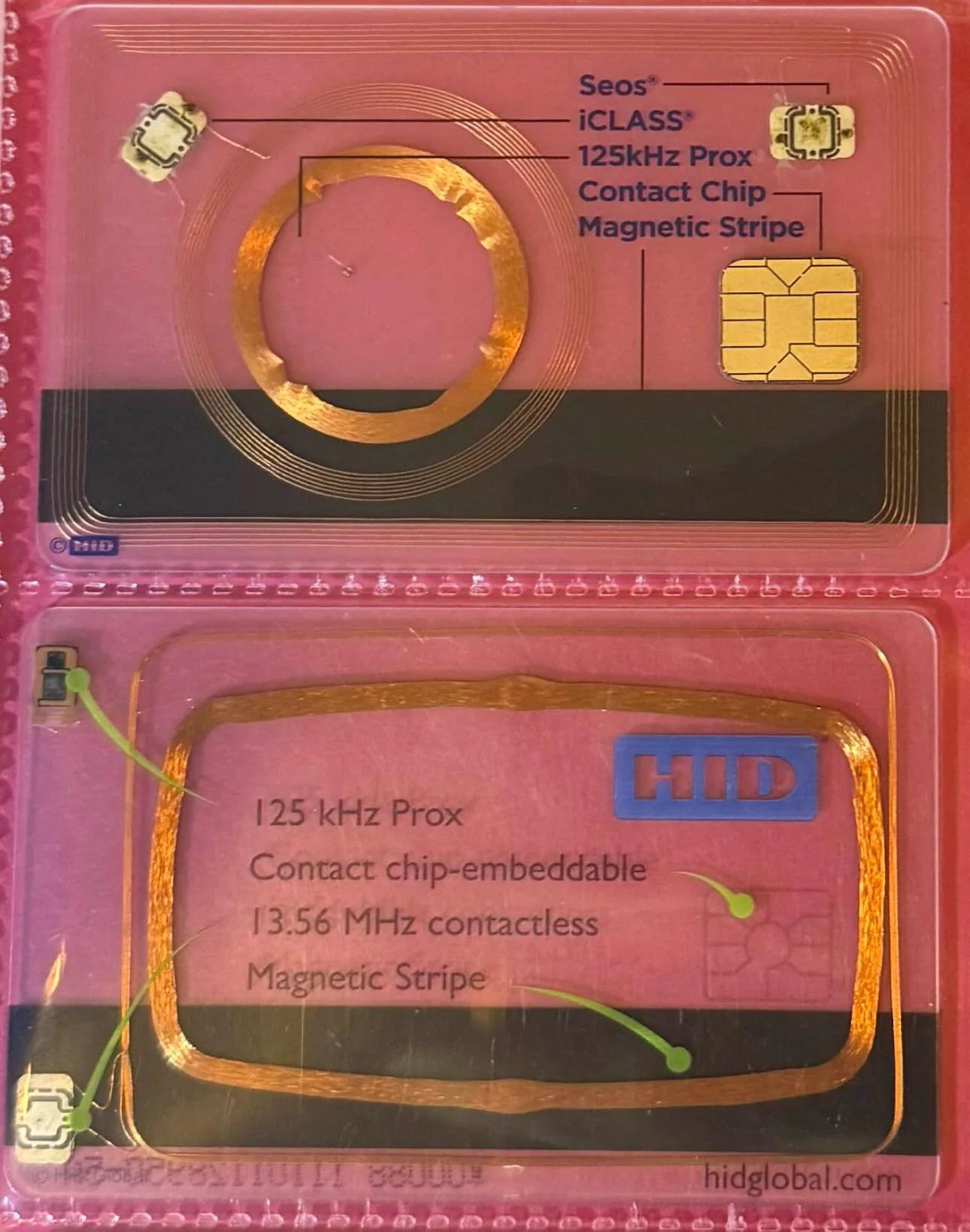
Double check with your proxmark. Some seem to be gen2, and some gen4. I’m assuming that when they ran out of gen2 chips, they went and got some gen4 chips and configured them to effectively only function as gen2 without some other re-configuration. The different sizes might also consist more of one over the other, etc.
Say, I’ve heard a lot about gen1a, gen2, and gen4… I think I remember gen1 proper never being widespread or consistent, but existing nonetheless… but what about gen3? Anyone know the story?